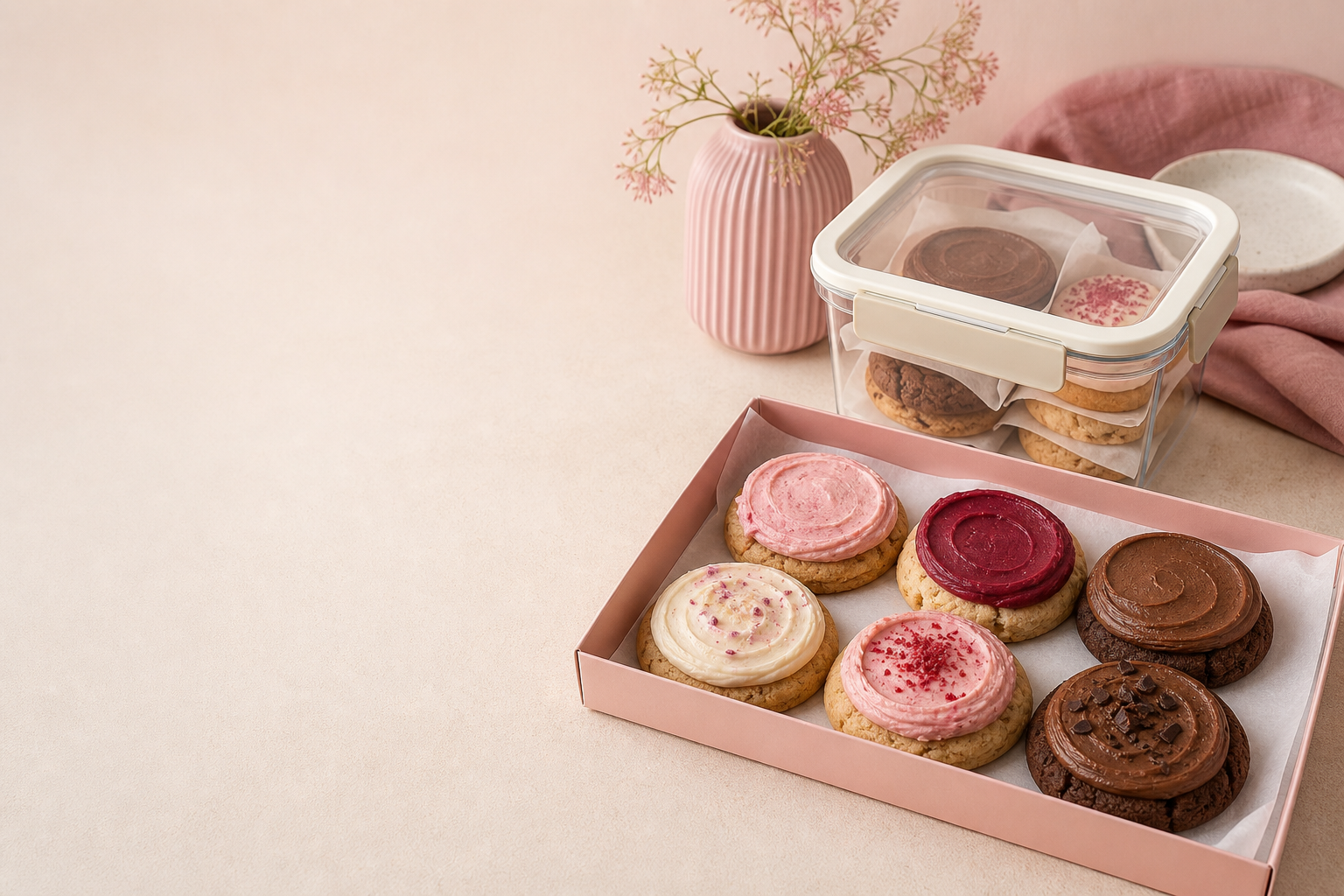
How to Store Crumbl Cookies
Big cookies are fun to bring home, but they can be tricky to keep fresh. Some are warm and chewy. Others have soft frosting, fruit toppings, mousse, or cream. If you leave every flavor on the counter in the same way, you may end up with dry edges, sticky frosting, or a cookie that does not taste as good the next day.
This guide explains how to store Crumbl cookies in simple steps. It is written for U.S. cookie fans who want to save leftovers, protect frosted flavors, or freeze a box for later. The best method depends on the cookie itself, but a few basic habits make a big difference: let cookies cool when needed, separate delicate toppings, use airtight storage, and check the official ingredient guidance if you have an allergy or dietary concern.
Quick note: Crumble Guide is an independent editorial website. We do not sell cookies or process orders. Menus and ingredients can change, so confirm current flavor details with an official store when it matters.
Quick answer the best way to store Crumbl cookies
For most plain or baked cookies, an airtight container at room temperature is a practical short-term option. For cookies with dairy-heavy frosting, cream, mousse, cheesecake-style filling, or other perishable toppings, refrigeration is usually the safer choice. If you will not eat the cookies soon, wrap them well and freeze them.
Freezer: the best option when you want to save cookies for a later week.
Counter: best for many unfrosted or sturdy cookies you plan to enjoy soon.
Refrigerator: better for chilled, creamy, or highly frosted cookies.
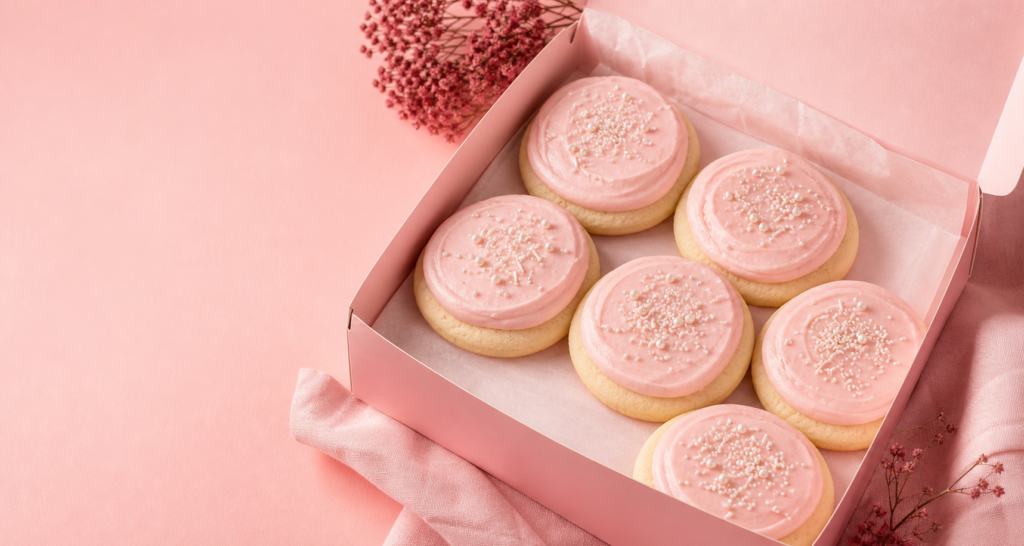
Why storage changes from one flavor to another
Not every cookie behaves the same after you bring it home. A warm chocolate-chip-style cookie is different from a lemon cookie with cream topping. A cookie with jam, whipped filling, or a chilled cheesecake-style layer may need more care than a simple baked dough cookie.
Look at the visible topping and think about texture. If a cookie has a loose drizzle, thick frosting, fresh fruit, or a soft center, do not stack it without a barrier. If it has a creamy topping, moving it to the refrigerator sooner is a smart habit. If you are not sure, check the product information from the store before serving it later.
For broader food-safety basics, the U.S. Food and Drug Administration’s safe food handling guidance is a useful external reference. That link is provided as a normal follow link for readers who want official general guidance.
Step 1: Let warm cookies settle before sealing them
If your cookies are warm when you get home, avoid putting them into a tightly closed container right away. Trapped steam can create moisture inside the container. That moisture can make a crisp edge soft and may affect frosting. Let warm cookies sit in a clean, cool place for a short time until they are no longer giving off heat.
You do not need to leave them uncovered for hours. The goal is simply to avoid sealing in steam. Once the cookies have settled, move them into their storage container. If they came in a box, the box can work for a very short period, but it is not always the best long-term barrier against air or odors.
Step 2: Use an airtight container and separate the layers
An airtight container is the easiest upgrade you can make. It limits exposure to air, helps reduce staleness, and protects cookies from refrigerator smells. Choose a container wide enough that you do not have to crush toppings. For a mixed box, place parchment or wax paper between layers.
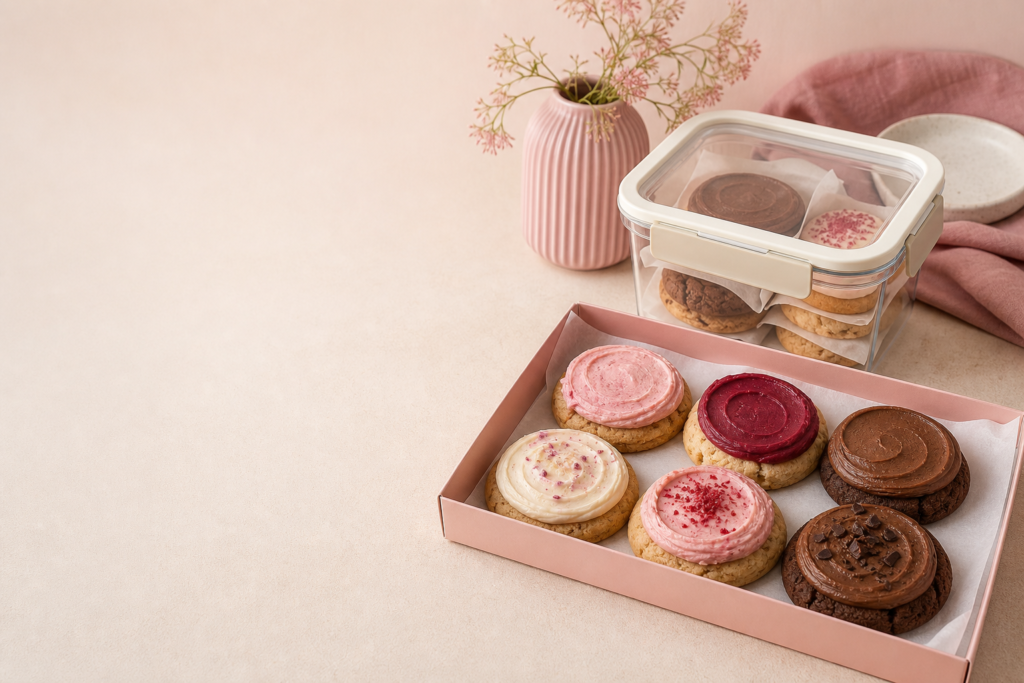
Try not to put a heavy cookie directly on top of a frosted one. Frosting can transfer, decorations can flatten, and the cookies can stick together. If you have only one large container, make a single layer where possible. If stacking is necessary, use parchment between every layer and keep the container level.
Should you keep Crumbl cookies on the counter?
Room-temperature storage is often useful for short-term enjoyment, especially for cookies without cream-style toppings. Keep the container away from direct sun, a hot stove, or a warm car. Heat changes texture quickly, and sun can soften frosting or make chocolate messy.
A cool, dry spot in your kitchen works better than the top of the refrigerator or a sunny counter. Keep the lid closed between servings. Each time the container stays open, the cookie is exposed to more air and possible moisture changes.
If the cookie is meant to be served chilled or has ingredients that need refrigeration, do not use the counter as your long-term plan. When in doubt, use the product details supplied by the retailer. You can also explore our Nutrition & Allergens guides for general context before you decide how to handle a new flavor.
When should you refrigerate frosted cookies?
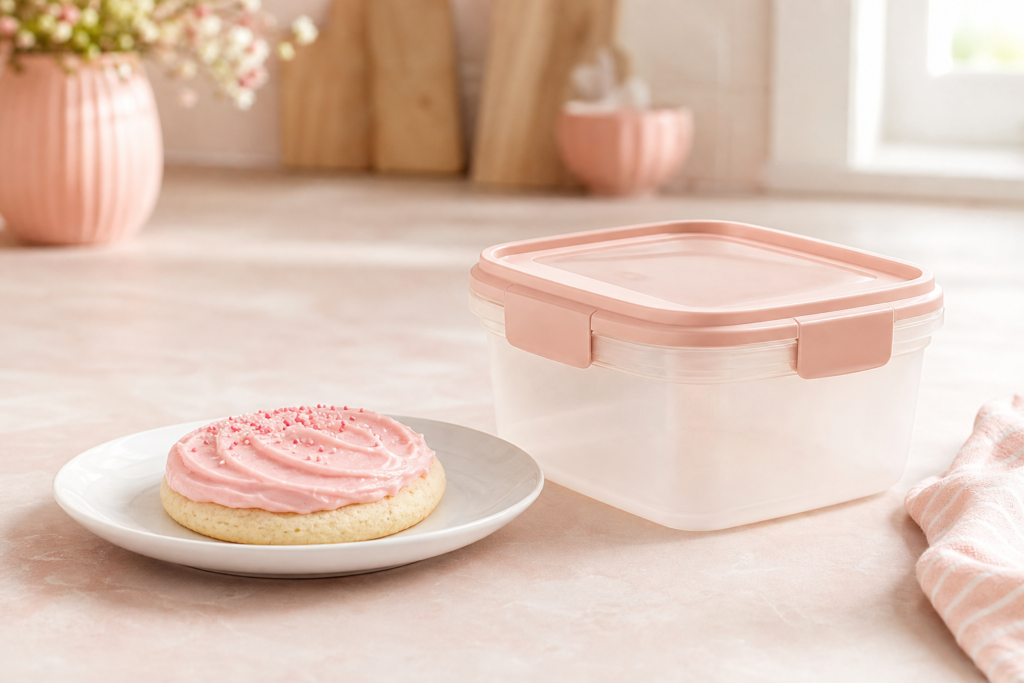
Refrigeration is helpful for cookies with cream cheese frosting, whipped toppings, custard-like layers, mousse, cheesecake-style components, or other ingredients that are better kept cold. Put the cookies in a clean airtight container first. This reduces the chance of the cookie picking up odors from foods such as onions, leftovers, or strong cheeses.
Before eating a refrigerated cookie, you may prefer to let it sit at room temperature for a few minutes. This can soften the center and make the flavors easier to taste. Do not leave perishable cookies out for a long time just to warm them up. A short rest is enough for most people.
The USDA food-safety basics page is another useful follow link for readers who need general handling information. It does not replace specific product instructions, but it explains why temperature and clean storage matter.
How to freeze Crumbl cookies for later
Freezing is the best choice when you have more cookies than you can enjoy soon. It is also useful when you want to save a favorite flavor after the weekly menu changes. The key is protecting cookies from freezer air and moisture.
Label the package with the storage date if you are saving several flavors.
Let cookies cool completely if they are warm.
Place parchment paper between cookies or layers.
Wrap the cookie or small group of cookies in food-safe wrap if you want extra protection.
Place the wrapped cookies in a freezer-safe bag or airtight freezer container.
Press out as much excess air as you can without damaging the cookie.
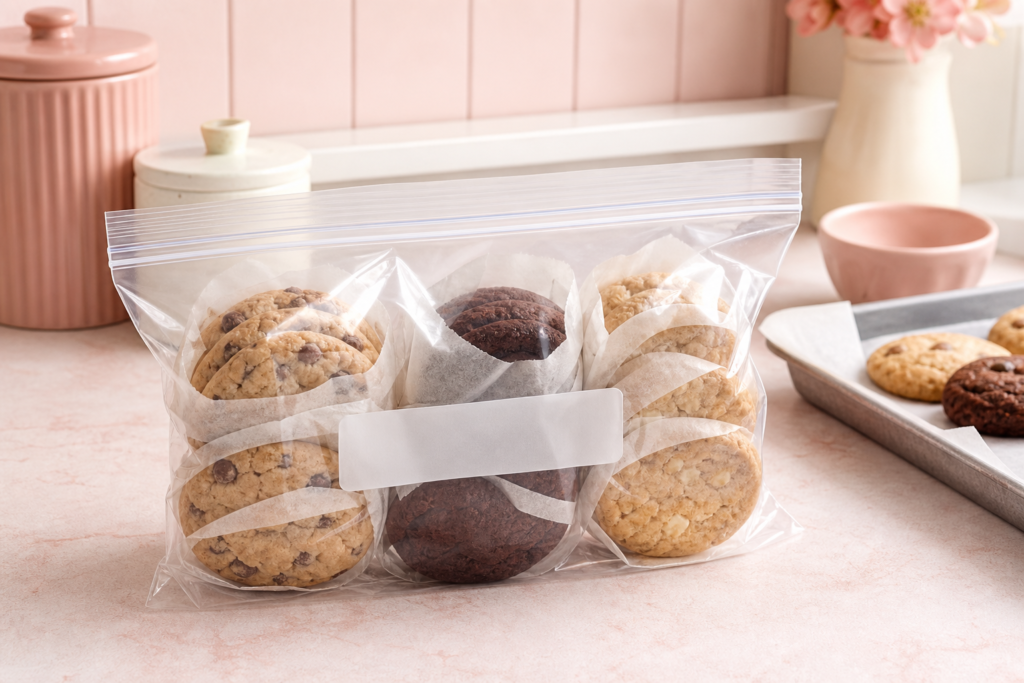
For best texture, thaw cookies while they are still wrapped or inside their closed container. This helps reduce condensation on the surface. Once the cookie has thawed, open the package and let it rest briefly before serving. Frosted cookies may need a little extra time so the topping returns to a pleasant texture
How to store different types of Crumbl cookies
Chocolate and classic baked cookies
Classic cookies are usually the easiest to store. A sealed container in a cool part of the kitchen is often enough for short-term use. If you want to preserve them longer, freeze them rather than letting them dry out on the counter.
Frosted sugar cookies
Frosting needs space. Use a flat container, parchment paper, and a single layer when possible. Refrigerate if the topping seems creamy or if the official flavor guidance indicates that it should be chilled.
Fruit, jam, or pie-style cookies
These flavors can be softer and messier. Keep them level. Avoid placing other cookies on top of them, and use a container with a tight lid. Their toppings and fillings are more likely to shift during transport.
Chilled dessert-style cookies
Cookies inspired by cheesecake, pudding, whipped cream, or mousse should be treated with extra care. Store them in the refrigerator and follow official product information whenever it is available. For allergy details, remember that a flavor can include more than the ingredients you can see.
Common mistakes that make cookies less fresh
- Leaving the box open: air is one of the fastest ways to dry cookies out.
- Stacking frosting directly: it damages the finish and mixes flavors.
- Putting warm cookies in a sealed container: trapped steam creates moisture.
- Using a thin bag without support: it can crush toppings and let in air.
- Ignoring strong refrigerator odors: cookies can absorb them.
- Guessing about perishable toppings: check current product information when a filling or frosting is unclear.
Helpful serving tips after storage
When you are ready to eat a stored cookie, choose the method that matches its style. A cookie kept at room temperature may only need a quick check for freshness. A refrigerated cookie may taste better after a short rest on the counter. A frozen cookie should thaw gradually while protected from excess moisture.
Use a clean plate and clean utensils if you are sharing. This small step matters when you are serving several flavors from one container. If someone in your group has an allergy or restriction, keep their cookie separate and confirm the latest official ingredient information first.
Planning a cookie run? Our Locations & Store Info category can help you find the right local details, while our Crumbl Flavors guides cover flavor-focused topics.
Frequently asked questions
Can you freeze Crumbl cookies?
Yes. Freezing is a practical way to save cookies for later. Separate them with parchment, protect them in a freezer-safe container or bag, and thaw them while covered.
Do frosted cookies need to be refrigerated?
Some do, especially cookies with cream-style or chilled toppings. The safest choice depends on the specific flavor and its ingredients. Check the latest official information for that cookie if you are unsure.
Should I keep cookies in the original box?
The original box is fine for carrying cookies home or for very short-term storage. For longer storage, an airtight container gives better protection from air, moisture, and refrigerator odors.
How do I stop frosting from sticking?
Use parchment paper between cookies and avoid stacking whenever possible. Keep the container level during storage and transport.
Final thoughts
Learning how to store Crumbl cookies is mostly about matching the storage method to the cookie. Use an airtight container, separate frosted layers, refrigerate delicate toppings when appropriate, and freeze extras you want to save. These simple habits help every flavor arrive at the next snack break with a better texture and a better chance of tasting fresh.
If you found this guide helpful, visit our Blog for more practical cookie guides or read About Crumble Guide to learn how we approach independent cookie information.
A simple storage plan for a mixed cookie box
A mixed box can feel confusing because every flavor looks different. Keep the process simple. First, identify any cookie with a soft dairy-style topping, fruit filling, or chilled dessert look. Put those cookies into a separate airtight container and refrigerate them if the official flavor guidance calls for cold storage. Next, group sturdy baked cookies together in another container. Add parchment paper before stacking. Finally, freeze the cookies you know you will not finish in the next few days.
This small system stops one delicate cookie from affecting the rest of the box. It also makes serving easier. You can take out only the cookies you want instead of opening and warming a whole container again and again. If your household shares cookies, place a small note on the container with the flavor names and the date you packed them. That is especially helpful when you have several frozen flavors at once.
For readers who follow a rotating menu, our Crumbl Cookie Menu guides can help you keep track of what you brought home. Storage is not complicated, but it works best when you give each flavor the right amount of space, a clean container, and the temperature it needs.
Good storage protects flavor, reduces waste, and makes every saved cookie easier to enjoy when the moment is right.